Read time: 7 minutes
Continue to the bottom for articles and information relevant to you from around the web.
Never do this.
I am going to tell you this story and then as seriously as I can I am going to remind you to never do this.
The world of nutrition and training is full of misinformation.
The one thing I am sure of is that the internet exists. And with all of the bad information out there I know there is some generally good information out there as well.
For example, if you were to search "How to Fuel for an Ultramarathon" some decent information will pop up. How much you generally need to eat and drink among the list.
Yet, it never fails that I receive an email or text with the following words: "I am running an [ultra/tri/insert event] this weekend. What should I eat?"
WTF! do you mean "WhAt ShOuLd YoU eAt" ???!!!!
You want to run 60 miles..at one time...at the end of the week and you don't know what to eat yet?!

What made this recent one worse was that this was indeed not their first ultra. When I asked how he made it through the first one he said he ate a donut but of course crashed about 20 miles into the course.
I am not a mean person. If you come to me with this I will not berate you or yell at you. I will help you, but you also may end up as a cautionary tale for other athletes. #sorrynotsorry
In the spirit of this story, I present to you Nutrition for Endurance:
1. Train Your Gut This is rule #1 for race prep. If you are planning to fuel before or during the event (hint: you should be) you CANNOT WAIT UNTIL RACE DAY TO START DOING THAT.
I don't know if you can hear me trying not to yell through my key board.
When you are doing extended or moderately high physical activity, blood will move away from the digestive tract into the extremeties. This slows digestion and motility which extends the time it takes for the stomach to empty or for nutrients to be delivered. Meaning you may feel nausea or even vomit if you have not "trained your gut" to move food even during exercise. Carbohydrate utlization is also less efficient if the body hasn't had time to "practice".
Practicing with your raceday fueling strategies is essential for knowing what you will be able to tolerate and how much you may need to make it to the end. Start this ASAP - ideally 3 to 6 months out from a race. You don't want to be guessing when you should be peaking.
2. Carbohydrates > Protein Yes, protein is essential for recovery. But carbohydrates will be what fuels you during training and especially on race day.
I once had an athlete come to me because he was experiencing issues with severe constipation during a multi-day event. He had decided a block of cheese was a great source of both protein and energy while he was on the mountain.
He was taking bites off a 2lb block as he trekked.
I don't know if you've ever been constipated while trying to exercise but i can almost promise it was 100x worse than that experience.
Both protein and fiber can exit the GI tract slowly and cause severe GI issues when eaten too close to training or during certain events. Ultra marathons included. While there are many foods offered at aid stations that include carbs, protein, and fat you still can experience GI issues if you haven't followed rule #1.
Protein and fat are also terrible sources of energy during long duration or moderate intensity movement. Neither will be able to produce energy fast enough to sustain your efforts even when moving at the slower paces that are required during an ultra. Your glycogen (energy storage) will run empty and you will hit the wall or bonk without adequate carbohydrate based fuels replenishing blood sugar levels throughout your race.
3. "Junk" food is sometimes necessary. I am a food first advocate most of the time. This is not that time.
Your options for fueling will be limited if running longer races and if you are running them at a higher intensity. Often "junk" foods that are highly processed digest the best. The sugar in them hits the blood stream quickly and is less likely to linger in the gut.
We also have to acknowledge that after 6 hours of eating for fuel your palette will become fatigued.
What does that mean? It means everything is going to taste like a$$. Which is why also having your favorite candy can come in clutch when nothing tastes good.
These foods will also sometimes contain additional amounts of sodium and potassium that can help fulfill those needs during training or racing.
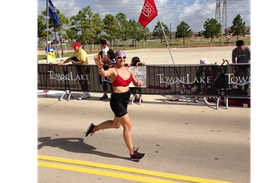
What ever races you are running I hope this helps you at least get started or to tune your nutrition a little better moving forward.
Helpful Journal Articles and Web Articles:
1. Nutrition and Supplement Update for the Endurance Athlete: Review and Recommendations. This review discusses topics such as "training low" and the "recovery window". Nutrients. 2019 Jun 7;11(6):1289. doi: 10.3390/nu11061289
2. International Society of Sports Nutrition Position Stand: nutritional considerations for single-stage ultra-marathon training and racing. This position paper duscuss how to structure macronutrients, how gut training can improve nutrient delivery, and the importance of hydration. https://doi.org/10.1186/s12970-019-0312-9

Responses